
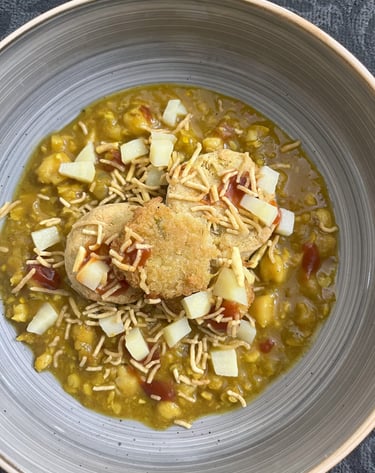
Delicious Proso Millet Ragda Pattis
A beloved street dish from Mumbai, healthily twisted to enjoy this monsoon season!
FOOD
Twinkle Suri
7/13/20264 min read

Understanding Proso Millet: Nutritional Benefits and Versatility
Proso millet, also known as Panicum miliaceum, is a small, round grain that has gained popularity due to its impressive nutritional profile and versatility in cooking. As a gluten-free grain, proso millet is an excellent choice for individuals with gluten intolerance or celiac disease, providing an alternative to traditional grains such as wheat and barley. This millet is particularly rich in protein, with a higher protein content than many other cereal grains, making it a valuable addition to vegetarian and vegan diets. It contains essential amino acids, particularly methionine and cysteine, which are often limited in other plant-based protein sources. In addition to protein, proso millet is high in dietary fiber, which aids in digestion, promotes feelings of fullness, and may contribute to heart health by helping to lower cholesterol levels. In terms of vitamins and minerals, proso millet is a good source of B vitamins, especially niacin, riboflavin, and vitamin B6, which are crucial for energy metabolism and overall health. Additionally, it provides important minerals such as magnesium, phosphorus, and iron, which support bone health, energy production, and proper red blood cell function, respectively.
The versatility of proso millet extends beyond its nutritional benefits; it can be used in a variety of culinary applications. Traditionally, proso millet is utilized in various cuisines, including Indian cooking where it is often ground into flour for preparing flatbreads or used as a base for pilafs and porridge. Additionally, it can be incorporated into salads, soups, and even baked goods, adapting to a range of dish types. This adaptability allows it to cater to diverse dietary needs, accommodating not only those seeking gluten-free options but also individuals striving for healthier food choices.
The Essence of Ragda Pattis: A Popular Indian Snack
Ragda pattis represent a quintessential street food experience in India, combining flavors and textures that stimulate the palate. Originating from the coastal regions of India, this snack has garnered popularity across various states, each contributing its unique twist to the dish. The term 'ragda' refers to the spiced white pea curry that serves as the base, while 'pattis' signifies the crispy potato patties that complement this savory dish.
At the heart of ragda pattis lies a simple yet delectable preparation. The ragda is made from dried white peas, which are soaked, boiled, and simmered with a blend of spices, including turmeric, cumin, and coriander. The result is a rich, hearty curry that boasts both robust flavor and a warm consistency, ideal for the cooler monsoon weather. The pattis, on the other hand, are made from mashed potatoes mixed with spices and herbs, shaped into small rounds, and fried until golden brown. This combination of the soft ragda and the crunchy pattis is what makes the dish truly irresistible.
During the monsoon season, ragda pattis become particularly appealing. Eating ragda pattis during the rains provides a sense of comfort, making it a popular choice for many. Additionally, regional variations, such as the use of green peas instead of white peas in certain areas, showcase the dish's adaptability in Indian cuisine. Common accompaniments include tamarind chutney and fresh coriander for garnish, further enhancing the dish's flavor profile. The versatility and cultural significance of ragda pattis not only underscore their place in Indian street food but also highlight the joy of communal eating, with family and friends often enjoying them together during the rains, celebrating the simple pleasures of life.
Recipe for Proso Millet Ragda Pattis:
Ingredients (for 6 pattis):
1/2 cup proso millet flour
1 large-sized potato, boiled and mashed
1 to 2 nos. of green chilis
1 tbsp roasted cumin powder
1 tbsp coriander powder
1/2 teaspoon garam masala
Salt, to taste
Fresh coriander leaves, chopped (optional)
1 tablespoon lemon juice
Oil, for shallow frying
Green chutney and tamarind chutney, for serving
Ragda (prepared chickpea/ white pea curry), for serving
Whipped yogurt/ dahi (for serving)
Follow these steps to achieve the perfect proso millet ragda pattis:
Roast the millet flour: Begin by taking a heavy bottom-pan and start roasting the millet flour on low flame till it turns aromatic and slightly change in the color. This should take about 10-15 minutes. Once done, allow it to cool.
Mix the Ingredients: In a large mixing bowl, combine the roasted proso millet flour, boiled and mashed potatoes, cumin seeds, coriander powder, garam masala, green chilies, salt, and chopped coriander. Add lemon juice to enhance flavor. Mix well until all ingredients are combined.
Form Patties: Once the mixture is well-blended, divide it into equal portions and shape each portion into flat, round patties.
Fry the Patties: Heat oil in a frying pan over medium heat. Once the oil is hot, gently place the patties in the pan. Fry until golden brown and crispy on both sides, about 3-4 minutes per side.
Serve: Remove the patties from the pan and drain on paper towels. Serve hot with a base of ragda, green and tamarind chutneys and yougrt.
This recipe for proso millet ragda pattis not only offers a delicious taste but also provides a nutritious option for the rainy season, with added protein in the dish.
Serving Suggestions and Accompaniments for Monsoon Enjoyment:
One of the most delightful ways to enjoy these crispy pattis is to pair them with a variety of chutneys. Traditional green chutney, made from fresh coriander and mint, adds a refreshing kick, while tamarind chutney complements the pattis with its sweet and tangy flavor. Additionally, a spicy red chili chutney can add a layer of heat to the dish, catering to those who enjoy bolder tastes. For a richer blend of tastes, a dollop of yogurt can be added, which not only enhances the creamy texture but also balances the spices effectively. Further, toppings can elevate the ragda pattis, transforming them into a complete meal. Consider garnishing with finely chopped onions, fresh cilantro, and a sprinkling of sev for added texture and flavor.
To further enrich the monsoon experience, pairing these ragda pattis with comforting beverages is a must. A steaming cup of masala chai, infused with spices like ginger and cardamom, complements the pattis beautifully, providing warmth on chilly rainy days. Alternatively, a refreshing glass of lemonade can serve as a zesty counterpoint to the savory snacks, quenching thirst while enhancing enjoyment of the meal.
These simple yet flavorful pattis embody comfort and joy, making them an ideal choice for rainy day get-togethers. Make them before the monsoon season gets away!